No Water, Not Wilting - 8 Drought Tolerant Plants for Summer Heatwaves
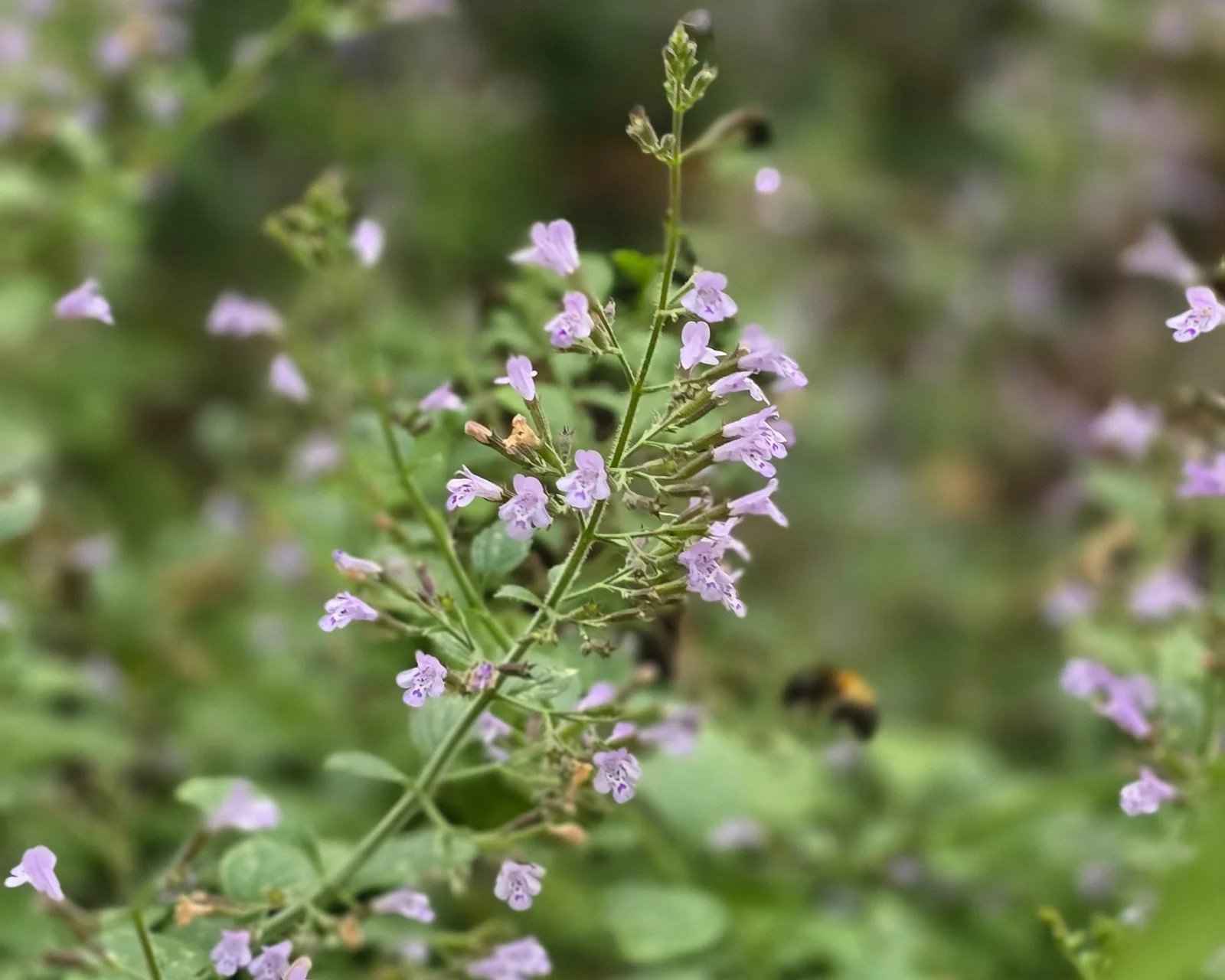
Lesser Catmint Calamintha nepeta
plant choices for the future…
It’s early August 2026, and a lot of garden plants are struggling with the heat and the drought, especially here in Cambridgeshire where we often experience weeks on end without rain. I’ve started making a list of the plants I encounter that seem to have managed to withstand these conditions, starting in my own garden.
My garden is on heavy clay, in mostly full sun with moments of borrowed shade from the neighbour’s garden. We resist watering at all during drought, and only make exceptions for trees we can’t bear to lose. Even then the water is recycled grey water to make sure we are gardening sustainably.
Lesser Catmint - Calamintha nepeta
A beautiful addition to any pollinator friendly garden, this tough garden plant is excellent for attracting all kinds of bees and hoverflies, not to mentions moths. It can be subjected to any kind of cutting or pruning methods you choose, and will always come back fighting. I sometimes opt for a chop back in very early summer if I want to contain its lax habit, otherwise I just leave it to get in the way of the steps and smell nice.
Hornbeam - Carpinus betulus
The Hornbeam in my garden is still a young plant - only about 1.5m tall - but the fact that it seems to be totally fine despite the weather might just stand it in good stead for the future. It is thought that plants that are grown in adverse conditions when young, can then learn to adapt to those conditions and be better equipped to withstand them once mature.
Hornbeam is a brilliant plant grown either as a hedge or a tree. Very similar to Beech, but distinguishable by it’s more deeply creased and crinkle-edged leaf, it holds it’s brown leaves all winter before coming into leaf. So although not evergreen, it has a structure and colourful presence all year round.
Hornbeam Carpinus betulus
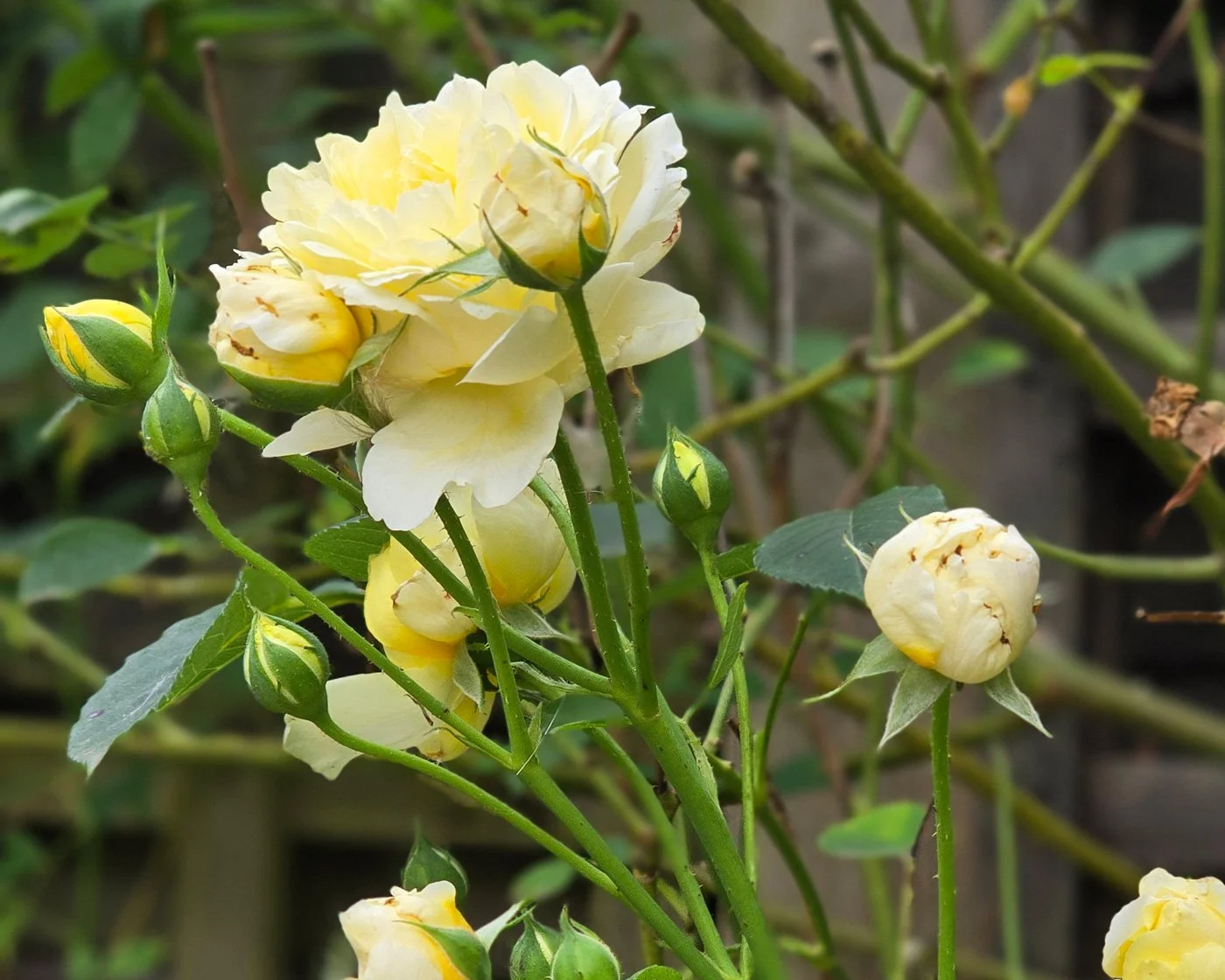
Rosa ‘The Pilgrim’
Rosa ‘The Pilgrim’
Roses have been the surprise standout this summer for their apparent immunity to the drought and heat. Every rose in my garden has managed to stay green, and even produce a second flush of flowers despite not receiving even a drop of water beyond that which has come from the skies. I picked ‘The Pilgrim’ because of all the roses in our garden, it still has the greenest, most unblemished leaves of all.
Flowering Currant - Ribes Sanguineum
Another incredibly adaptable plant, the flowering currant comes in lots of varieties and can be grown as a shrub or clipped a bit tighter and used as hedging. It flowers quite early, and often in tandem with the cherry blossom season, which can create a beautiful contrast in Spring.
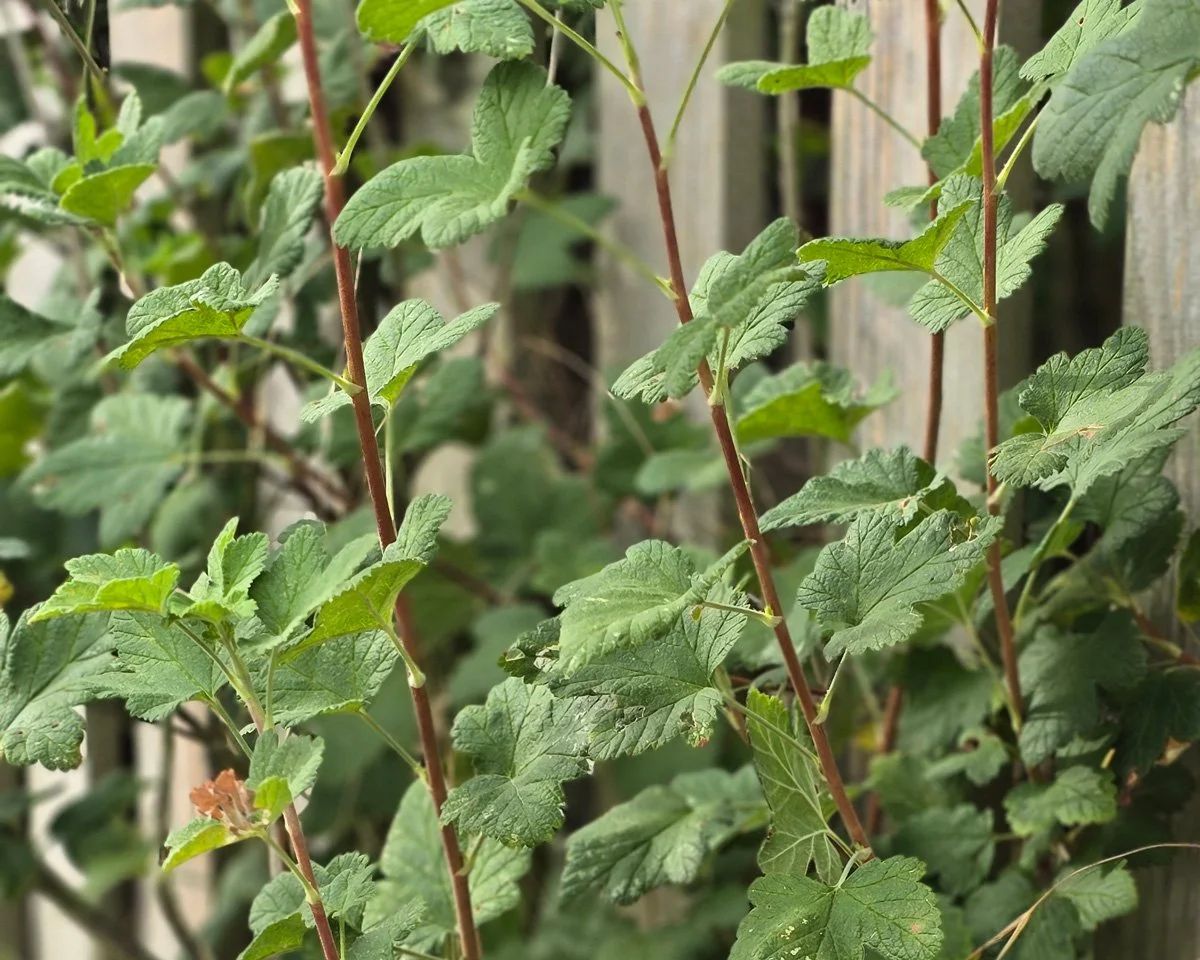
Flowering Currant Ribes sanguineum
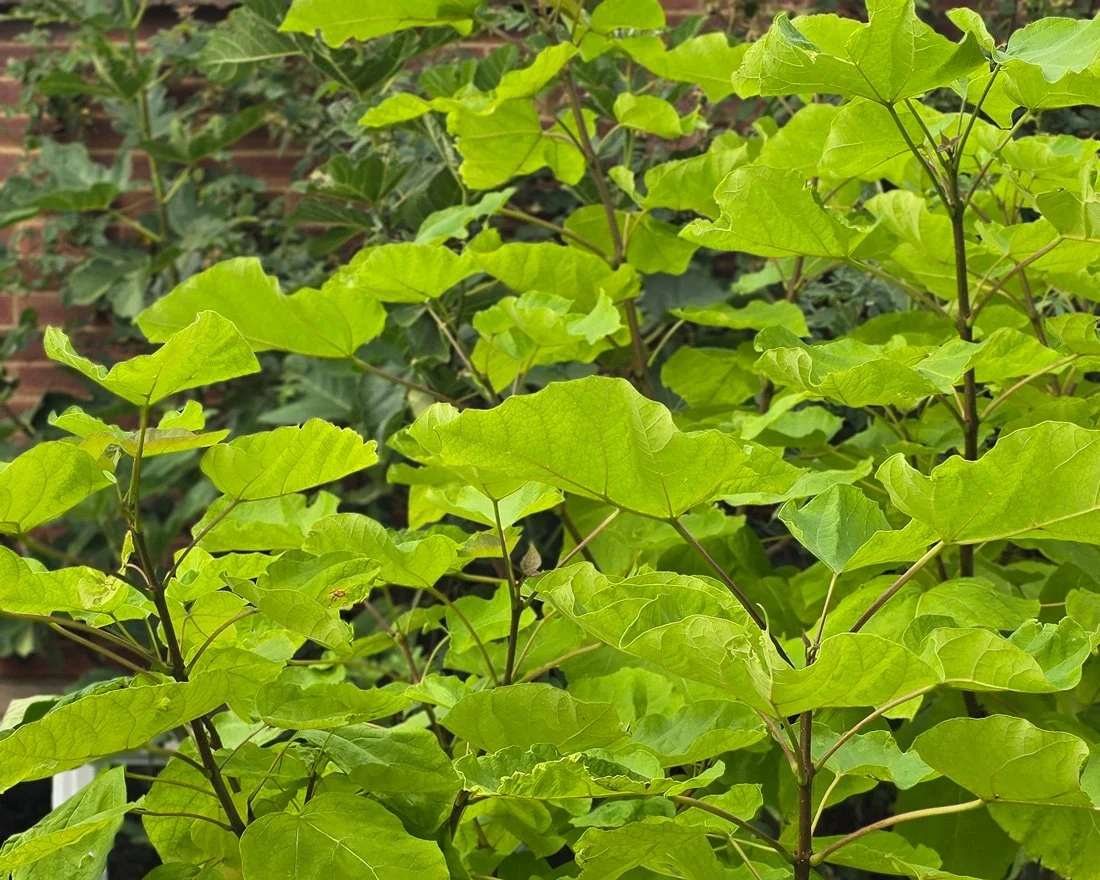
Indian Bean Tree Catalpa bignonioides
Indian Bean Tree - Catalpa bignonioides
One of my top trees at the moment for its ability to create light shade, resist drought, and add a brightness to any garden. They can get rather large, but even then the shade they cast has a beautiful luminous quality rather than blocking light. Once established, the flowers are an astoundingly beautiful display.
Hawthorn - Crataegus monogyna
A shout out to our natuve shrubs and trees, many of which are fairly well adapted to weather extremes. Hawthorn is particularly bomb-proof and supports a wide diversity of insect life, which is always a bonus. Many people overlook the humble hawthorn as a decorate option, but they are wrong! Hawthorn is delightful in Spring bloom, has beautiful cut leaves, and gives excellent autumn colour. This plant is always in my top picks for any new garden project.
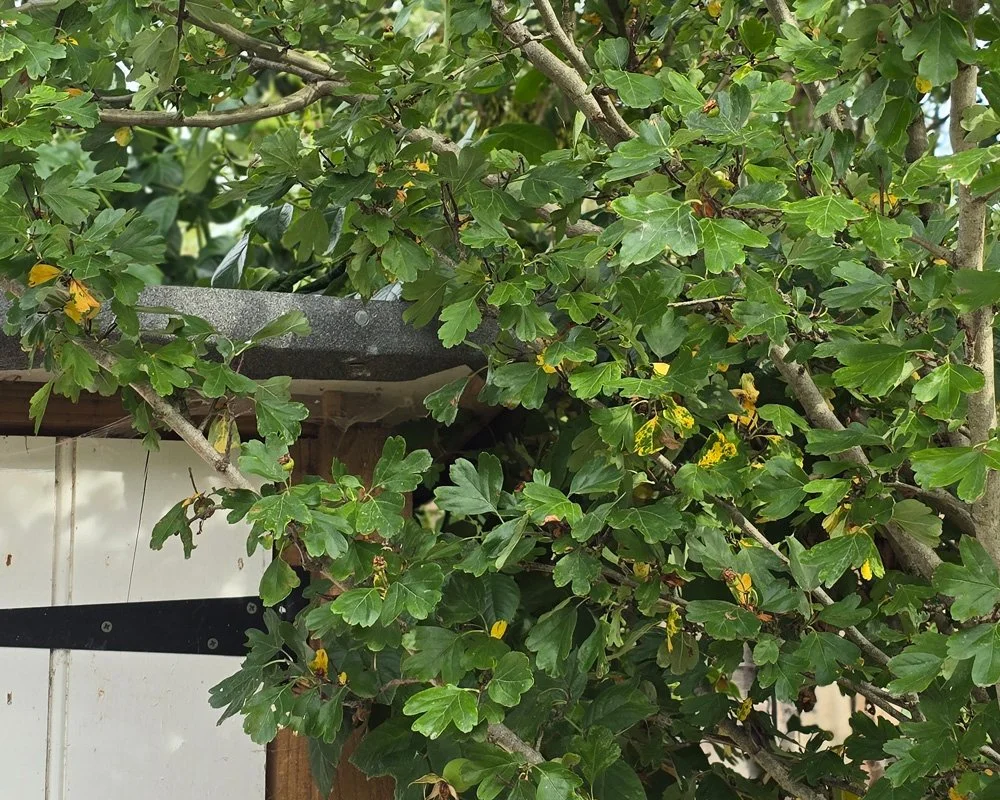
Hawthorn Crataegus monogyna
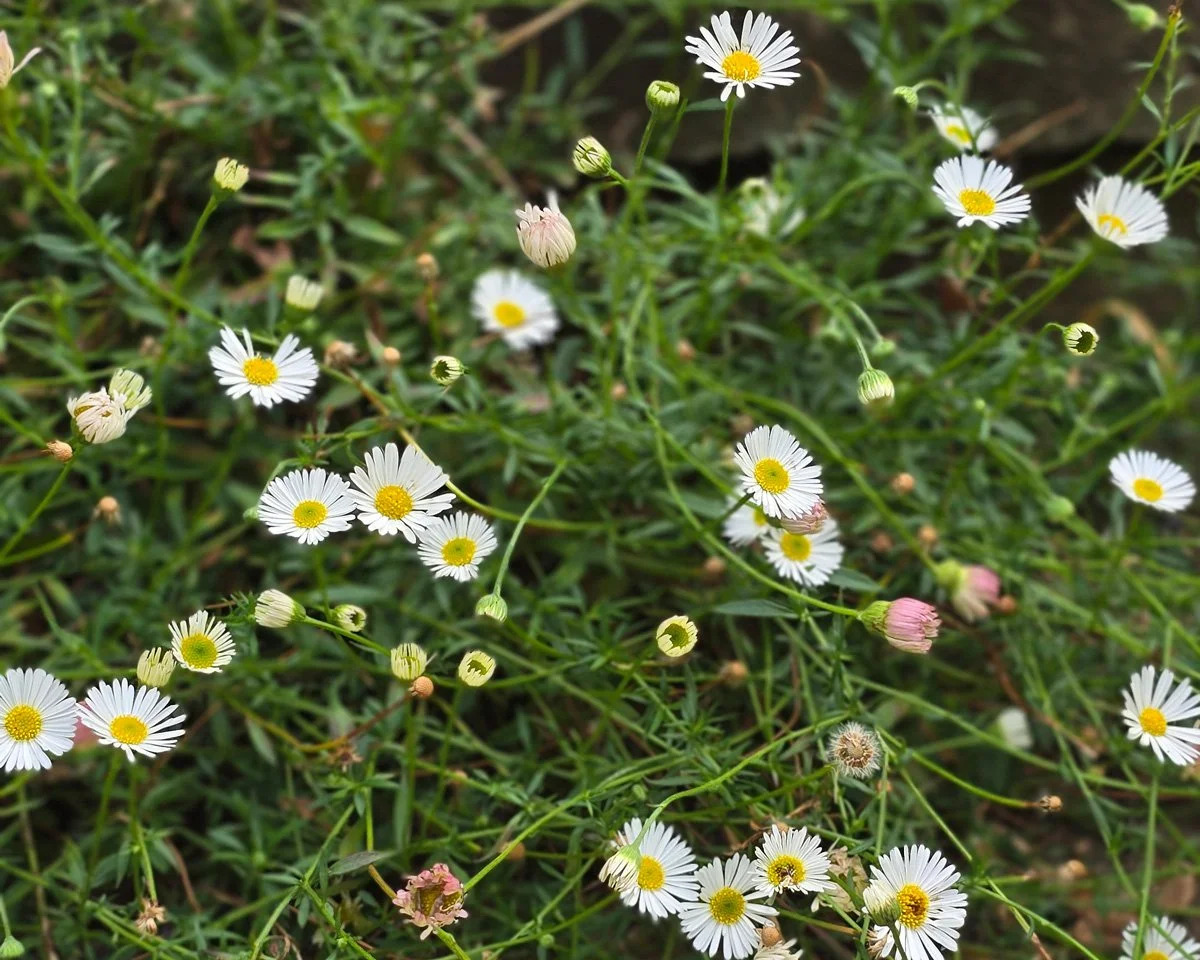
Mexican Daisy Erigeron karvinskianus
Mexican Daisy - Erigeron karvinskianus
One of the longest flowering garden plants available, this little gem flowers from as early as April, through to November. Plant a few in the most hostile spots with a bit of sun, and they will self-seed into the places they like the best - usually in cracks in paving, or nooks and crannies around steps.
Rosemary - Salvia rosmarinus
Mistakenly typecast as a herb, this hardy shrub is really resilient and adds an evergreen element to any sunny border. My rosemary plants often become covered in beetles in early summer, but I don’t worry too much about it - after their life cycle is complete I cut back damaged stems and it always regrows fresh and green for the rest of the summer. ‘Miss Jessop’s Upright’ is a good choice if you like a neater habit, and any rosemary can but pruned and shaped to suit your needs.
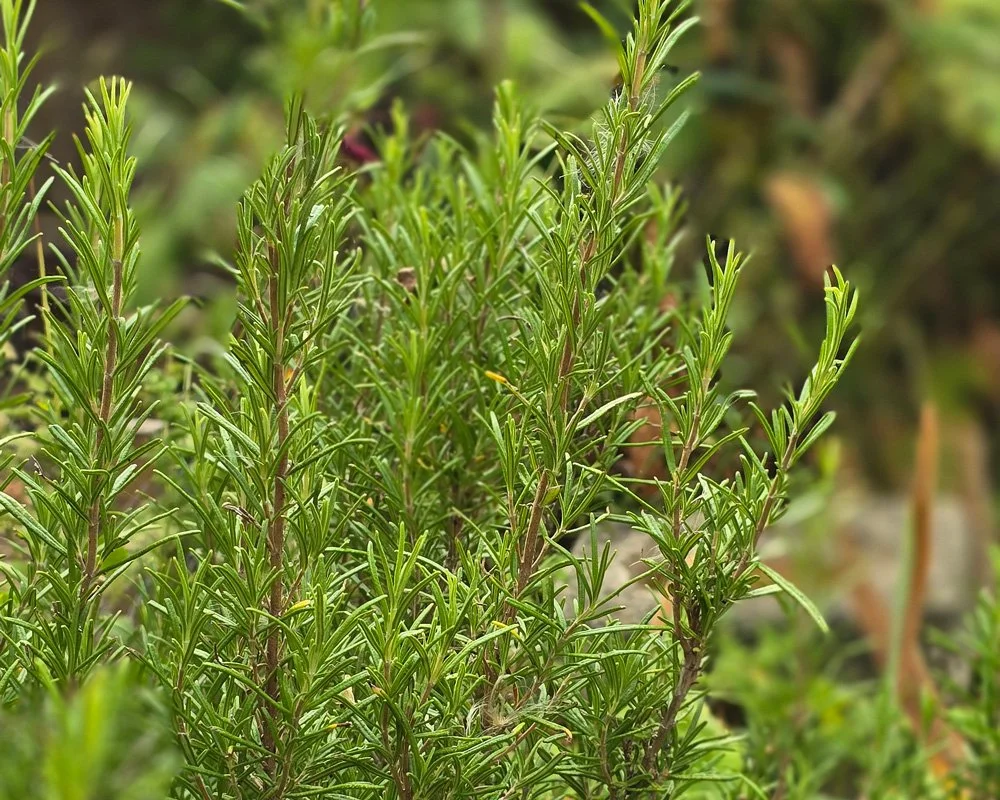
Rosemary Salvia rosmarinus